Why Shopify, Meta, and Google All Report Different Revenue (And Which One Is Right)
Shopify says $180K. Meta claims it drove $240K. Google Ads takes credit for $95K. Add them up and you 'made' more than you actually did. Here's why every platform lies to you — and how to get one number you can trust.
Why Shopify, Meta, and Google All Report Different Revenue (And Which One Is Right)
Here's a scene that plays out in almost every e-commerce brand and performance agency every single month.
You open Shopify: $180,000 in revenue. Good month.
You open Meta Ads Manager: it claims its campaigns drove $240,000.
You open Google Ads: it's taking credit for $95,000.
Add up what the ad platforms say they earned you — $335,000 — and it's nearly double what Shopify actually recorded. So which number is real? Spoiler: none of them, exactly. And if you're making budget decisions off any single one of these dashboards, you're flying blind.
Let me explain what's actually happening under the hood — and why this isn't a bug you can fix inside the platforms.
Every platform is grading its own homework
The core problem is simple: each ad platform decides for itself which sales it gets to take credit for. They are not neutral referees. They are salespeople for their own ad inventory, and their attribution models are tuned to make their channel look as good as possible.
Three mechanics drive the chaos:
1. Attribution windows
When someone clicks a Meta ad on Monday and buys on Thursday, does Meta get credit? Meta's default says yes — it uses a 7-day-click, 1-day-view window. That means Meta will claim a sale even if the person only saw an ad (never clicked) within a day of buying.
Google Ads uses its own windows and, historically, a data-driven model that spreads credit across clicks. Shopify, meanwhile, only knows what its own last-click analytics or the customer's UTM tags tell it.
Same purchase. Three different rules for who earned it.
2. View-through attribution
This is the big one for Meta. If a customer scrolls past your ad, doesn't click, then later Googles your brand and buys — Meta will often still count that as a conversion it drove. That's a view-through. It might be true influence. It might be a coincidence. Either way, Meta books the revenue, and so the platform's reported number balloons well past what actually flowed through checkout.
3. Double-counting across platforms
Here's where it compounds. That one customer who saw a Meta ad, then clicked a Google Search ad, then converted? Meta counts it. Google counts it. Shopify counts it once. The same $120 order shows up as revenue in three different dashboards. Sum the platforms and you've triple-counted a single sale.
A concrete example
Say one customer buys a $150 order after this journey:
| Touchpoint | Day | What the platform does |
|---|---|---|
| Sees Meta ad (no click) | Mon | Meta logs a view-through — will claim credit |
| Clicks Google Search ad | Wed | Google logs a click — will claim credit |
| Buys via email link | Thu | Shopify/Klaviyo logs the actual sale |
At month end:
- Meta reports $150 (view-through)
- Google reports $150 (last click before purchase)
- Klaviyo reports $150 (email drove the final click)
- Shopify reports $150 (the only real dollar amount)
Four platforms, $600 of "revenue," one $150 sale. This is why your numbers never reconcile — and why "just trust Shopify" isn't a full answer either, because Shopify can't tell you which channel actually deserves the credit.
Why you can't fix this inside the platforms
You might think: "I'll just change Meta's attribution window to match Google's." You can't, really — the platforms don't share a common definition, and none of them can see the others' data. Meta doesn't know the customer also clicked a Google ad. Google doesn't know about the Meta view-through. Each one is looking at the world through a straw.
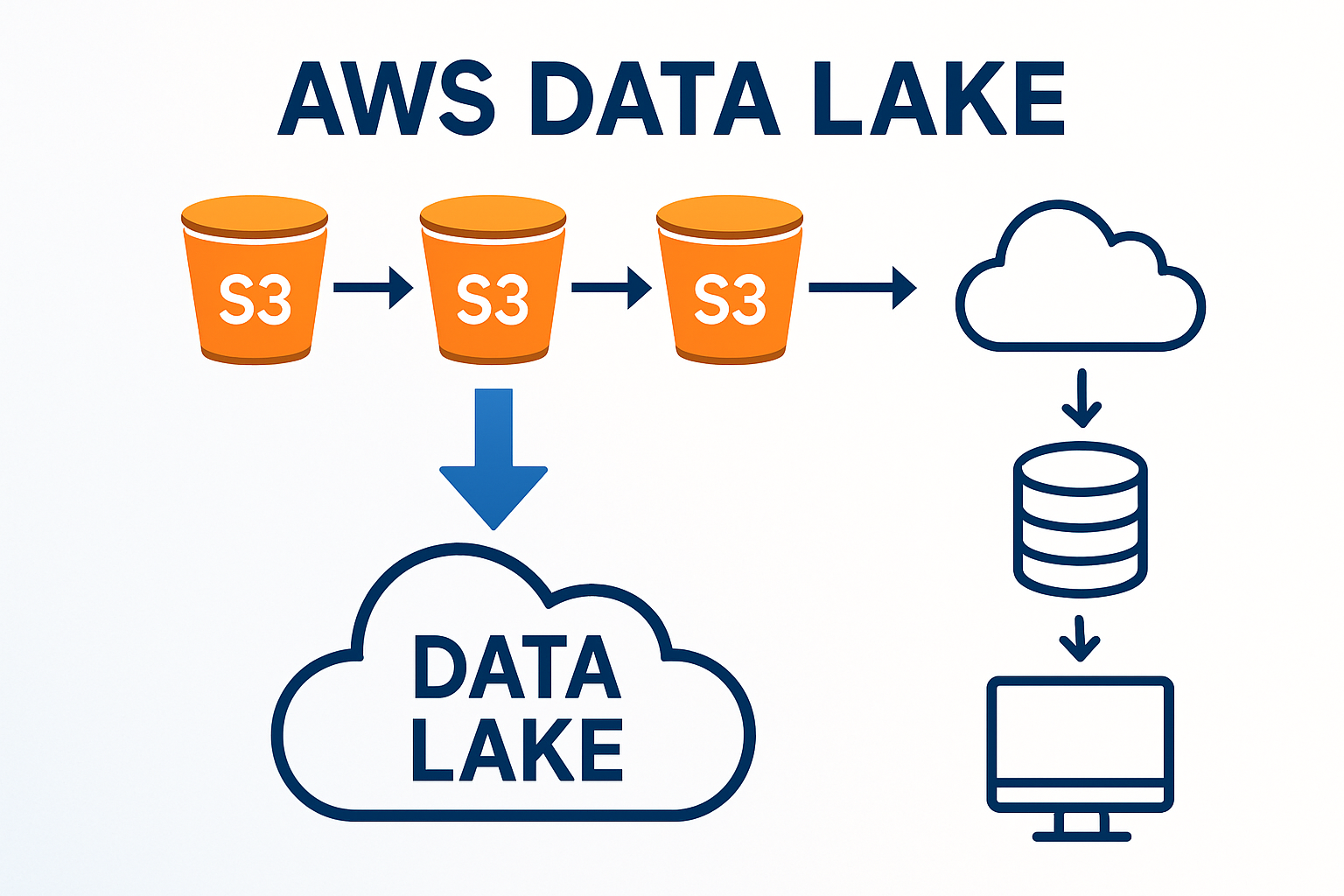
The only way to get a true picture is to pull all the raw data — every ad click, every session, every order — into one place that you control, and apply one consistent set of rules across all of it. That's not a setting you toggle. It's a data warehouse.
What "one source of truth" actually means
When I build a marketing data platform for a brand or agency, the fix looks like this:
-
Ingest the raw data from every source — Shopify orders, Meta Ads spend and clicks, Google Ads, GA4 sessions, Klaviyo, Amazon — into a single warehouse (in your own AWS account, not a third-party vendor).
-
Join it on a common key — usually the customer and the order — so a single purchase is a single row, no matter how many platforms want to claim it.
-
Apply one attribution model you choose — last-click, first-click, linear, or position-based — consistently across every channel, so Meta and Google are finally graded by the same rulebook.
-
Report a single blended ROAS you can actually trust, instead of four dashboards that disagree.
The result: instead of asking "which dashboard do I believe?" every month, you have one number, calculated one way, that reconciles to the actual money in your Shopify account.
The takeaway
Your platforms aren't broken and your team isn't doing anything wrong. The numbers don't match because they were never designed to — each platform has a commercial incentive to over-claim, and none of them can see the full journey.
Stop trying to reconcile four dashboards by hand. The real fix is owning your data and defining truth once, for yourself.
This is exactly the problem I solve. I build AWS-native marketing data pipelines that unify Shopify, Meta, Google, GA4, Klaviyo, and Amazon into one warehouse you own — with blended ROAS you can finally trust. See how it works or book a discovery call.